Why Is Perfume So Expensive? The Real Cost of Luxury Fragrance Explained
Walk into any luxury fragrance boutique and you'll notice something almost immediately.
One perfume costs $95. Another is priced at $275. A few shelves over, a beautifully crafted bottle carries a price tag of $600 or more.
It's a question every fragrance lover asks at some point:
Why is perfume so expensive?
Is it because the ingredients are truly that rare? Are luxury brands simply charging for their name? Or are we paying for elegant packaging and glamorous advertising campaigns?
The answer is all of those things—and much more.
Before studying perfumery in Grasse, France, I assumed perfume began with a perfumer sitting at a laboratory bench, blending beautiful ingredients into an elegant composition. It wasn't until I visited the flower fields that I realized I had been looking at fragrance from the wrong end of the story.
Perfume doesn't begin in a bottle.
It begins in the earth.
Where Luxury Perfume Really Begins
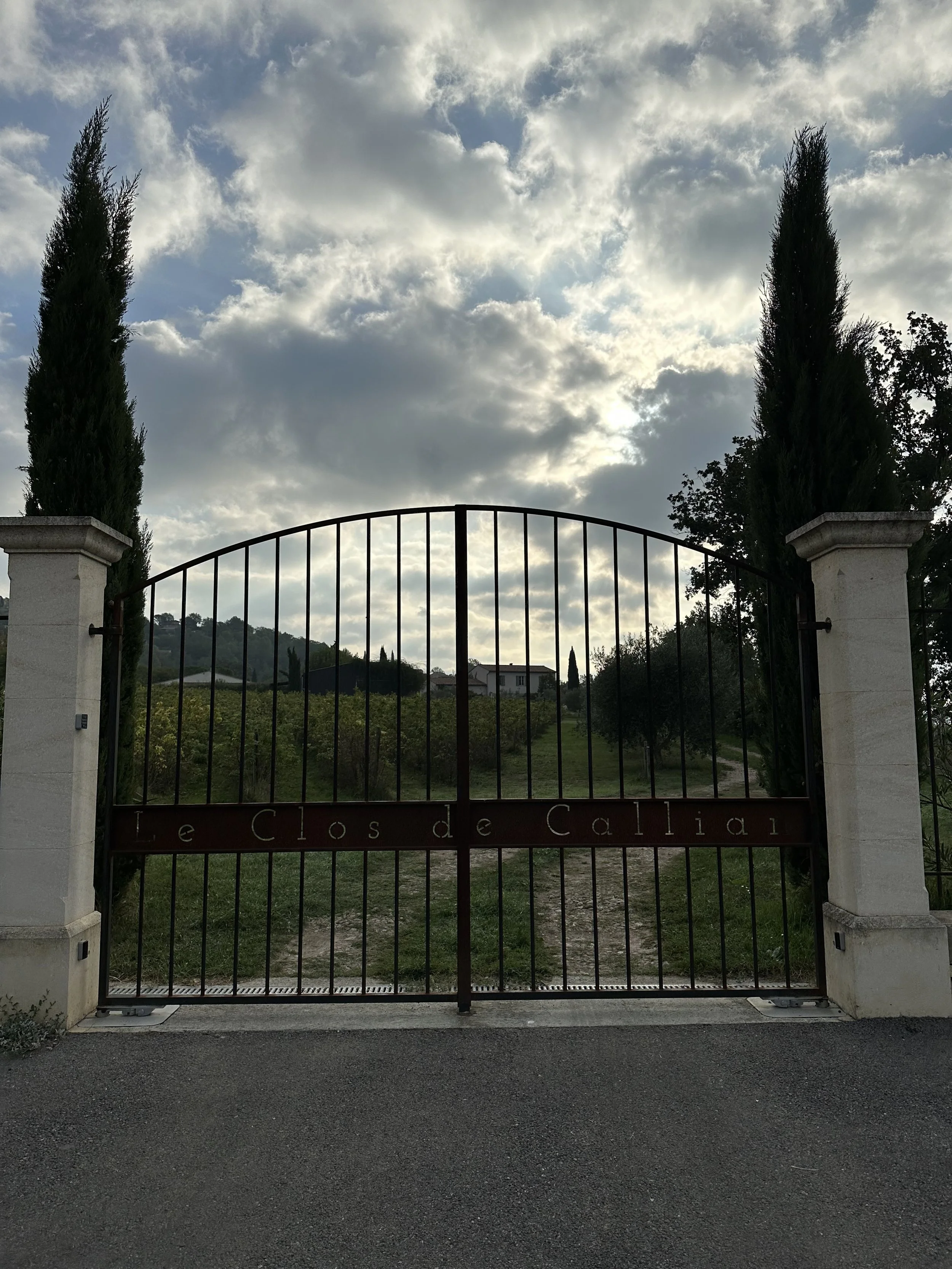
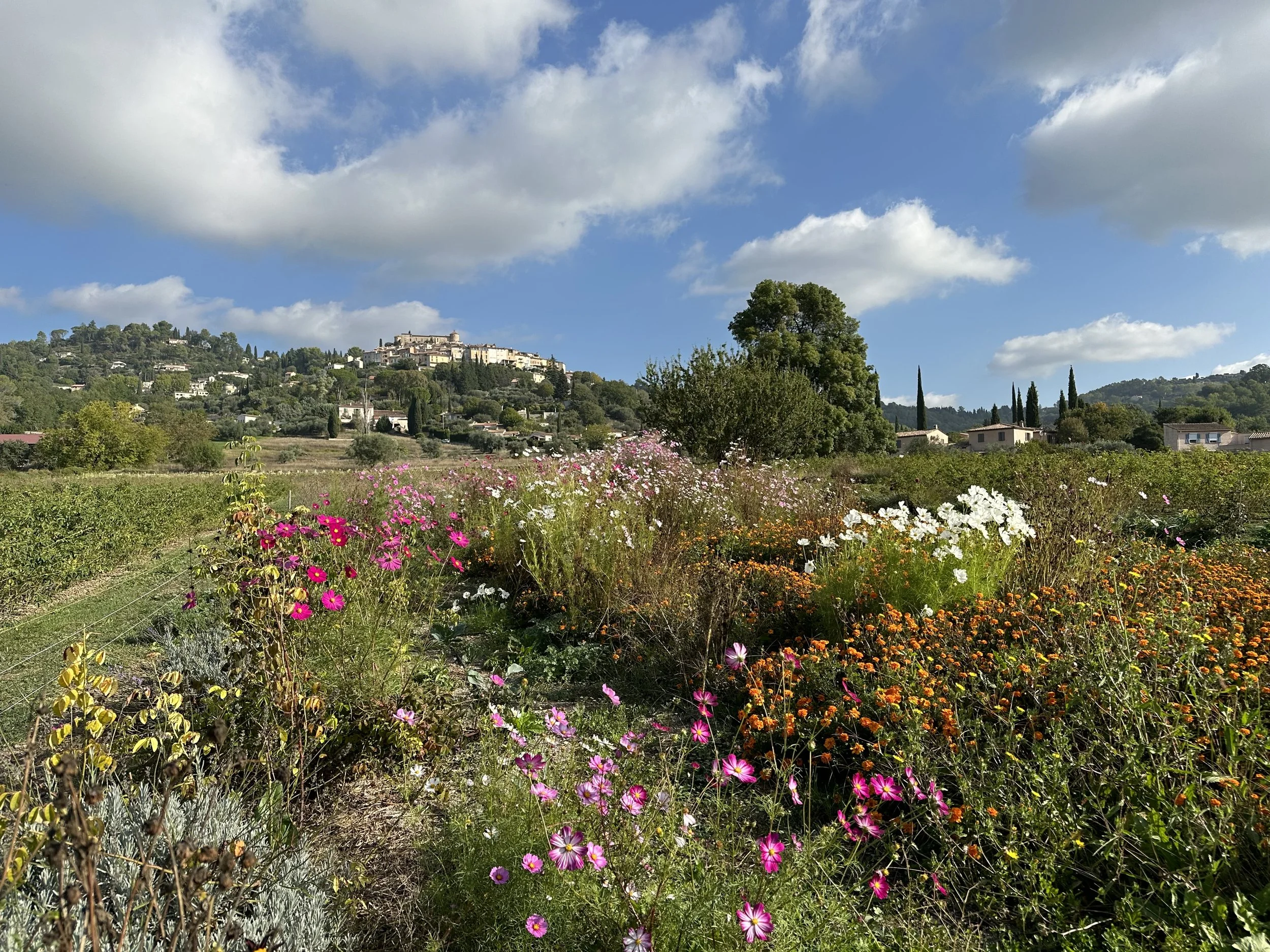
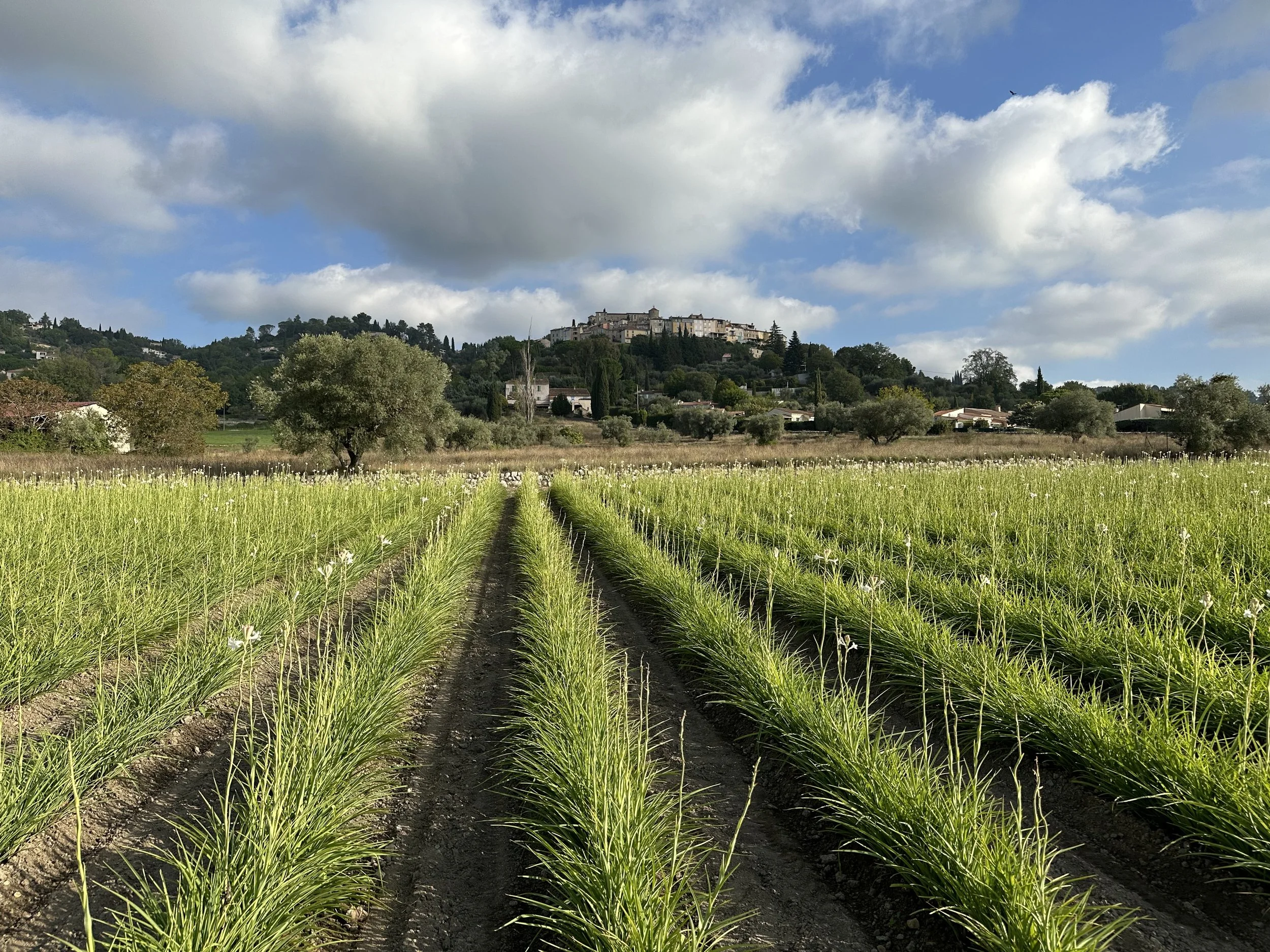
While studying perfumery in Grasse, often considered the birthplace of modern fragrance, I had the opportunity to visit Le Clos de Callian, one of Dior's exclusive flower estates in Provence.
Unlike a traditional flower farm, Le Clos de Callian cultivates perfume flowers exclusively for Christian Dior Parfums. Every harvest is dedicated to Dior's fragrances, continuing a centuries-old relationship between the flower growers of Grasse and one of the world's most iconic perfume houses.
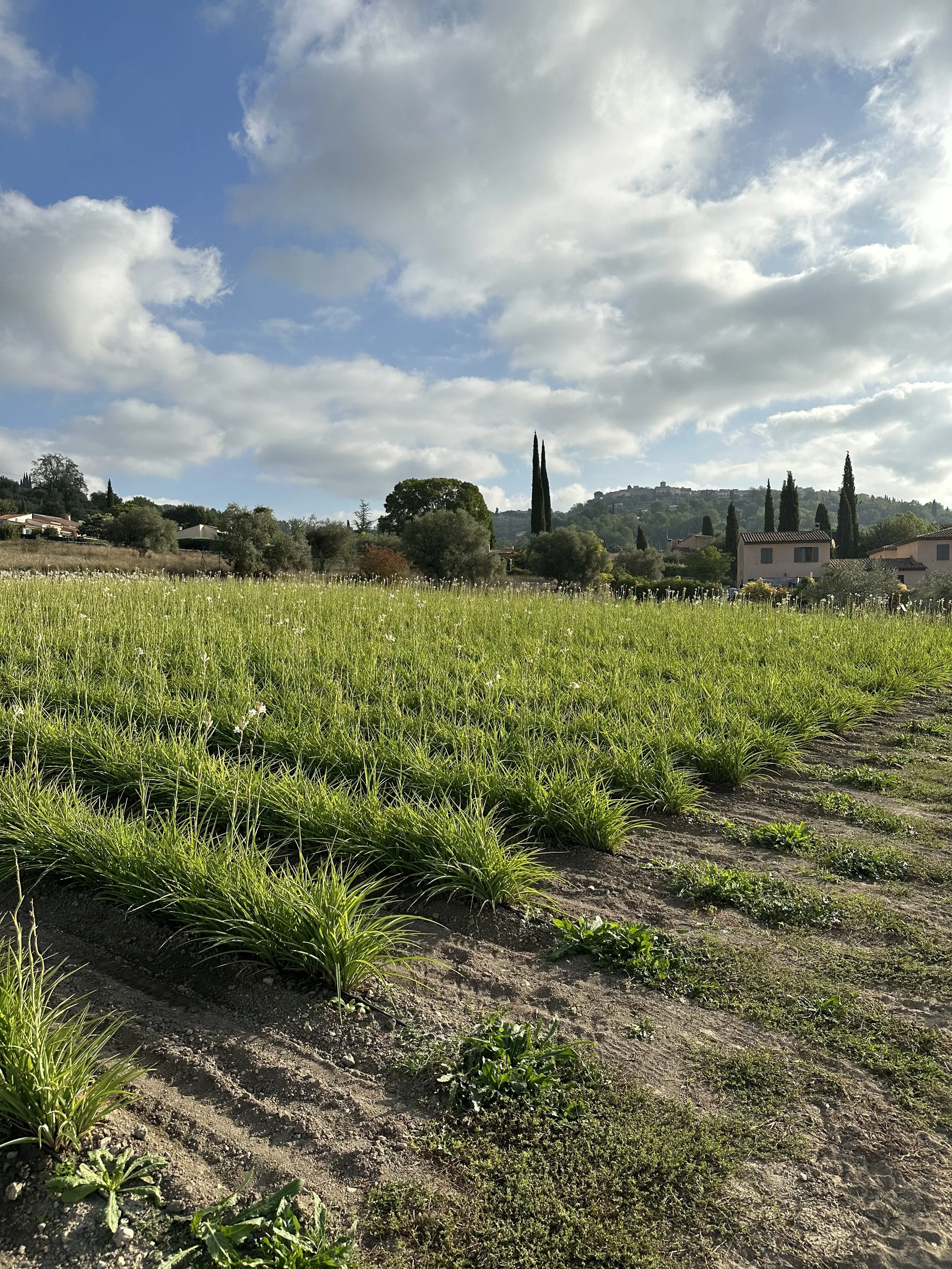
I visited in October, when the estate was in tuberose season. Although I arrived in the morning and didn't witness the harvest itself, simply walking through the fields and learning about the growing process gave me an entirely new appreciation for the journey from flower to fragrance.
Standing among rows of tuberose, it struck me that perfume doesn't begin in a laboratory.
It begins in the earth.
Every bottle represents months of cultivation, an incredibly short growing season, and generations of growers who have perfected their craft. The flowers are tended throughout the year, then harvested at precisely the right moment to preserve their unique olfactory qualities before eventually making their way into some of the world's most celebrated fragrances.
That visit completely changed the way I think about perfume.
Before Grasse, I saw fragrance as something created by a perfumer.
After Grasse, I understood that every great perfume begins long before the perfumer ever writes the first formula.
The Price of Nature
Some of the world's most treasured perfume ingredients are extraordinarily difficult to produce.
The famous Rose de Mai, or Centifolia rose, blooms for only a few weeks each spring in Grasse. Every blossom is harvested by hand during the cool morning hours, when its fragrance is at its richest. It takes roughly 300,000 roses to produce just one kilogram of rose absolute, making it one of the most precious floral materials in perfumery.
Jasmine is no less demanding. Its delicate flowers bloom overnight and must be gathered from dawn through the morning before the warmth of the day begins to diminish their fragrance. Every flower is picked by hand, requiring remarkable precision and an enormous amount of labor.
Then there's tuberose, the flower I watched being harvested in Provence. Unlike rose or jasmine, tuberose is collected as daylight fades. Its intoxicating scent reaches its peak in the evening, and every bloom must be handled with exceptional care to preserve its creamy floral character.
Even before a perfumer touches these ingredients, countless hours of human labor have already gone into creating them.
The Truth About Natural and Synthetic Ingredients
One of the biggest myths in fragrance is that natural ingredients are always superior to synthetic ones.
In reality, modern perfumery depends on both.
Many scents simply cannot be extracted from nature. Lily of the valley is one famous example. There is no essential oil of lily of the valley, despite its popularity in perfumery. Likewise, the scent of clean linen, fresh rain, ocean air, or metallic notes can only be recreated through carefully designed aroma molecules.
Synthetic materials also allow perfumers to protect endangered natural resources, improve consistency between batches, and create entirely new olfactory experiences.
Some of the most influential ingredients in contemporary perfumery—including Hedione®, Iso E Super®, Ambrox®, and Cashmeran®—are laboratory innovations that transformed the art of fragrance. They aren't substitutes for nature; they're creative tools that have expanded what perfumers are capable of creating.
Luxury fragrance is rarely a choice between natural or synthetic ingredients.
The finest perfumes rely on both.
The Perfumer's Invisible Work
When people think about expensive perfume, they often picture rare ingredients.
What they don't see is the creative process.
A fragrance can take months—or even years—to complete. A perfumer may produce hundreds of variations before arriving at the final composition. Tiny adjustments to a formula can completely change how a fragrance evolves on the skin, and every revision must be evaluated for balance, performance, stability, and safety.
It's part science, part artistry, and part relentless refinement.
Like a composer writing music, a perfumer rarely creates a masterpiece on the first attempt.
Time Is One of the Most Expensive Ingredients
Even after a fragrance formula has been completed, the work isn't necessarily finished.
Many fragrance houses allow either the concentrate or the finished perfume to rest before bottling. During this maturation period, the raw materials begin to harmonize, producing a smoother and more balanced composition. The exact process varies from house to house, but time remains an important part of creating a refined fragrance.
Some things simply cannot be rushed.
Beyond the Fragrance Itself
Then there is everything surrounding the perfume.
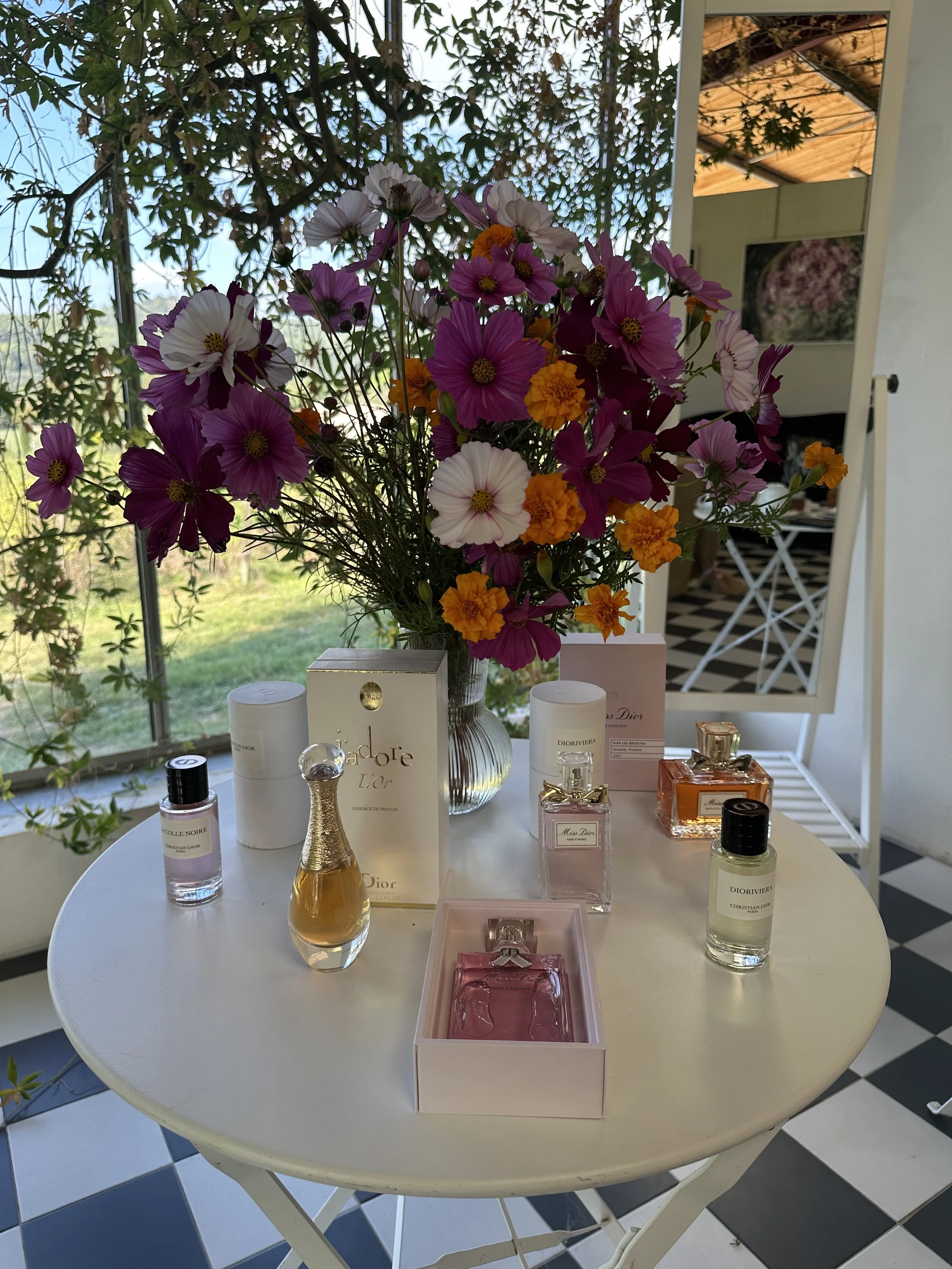
Luxury bottles are often custom-designed, using thick glass, precision atomizers, magnetic caps, and intricate decorative details that require their own engineering and manufacturing processes. Packaging is developed to communicate the identity of the house just as much as it protects the fragrance inside.
Marketing also plays a role. Advertising campaigns, flagship boutiques, celebrity ambassadors, photographers, filmmakers, and global product launches all contribute to the final retail price. In some cases, a worldwide marketing campaign can cost more than developing the fragrance itself.
But after seeing where perfume truly begins, it's impossible for me to believe that marketing alone explains the price of luxury fragrance.
There is simply too much craftsmanship that comes long before the bottle ever reaches the shelf.
Does Expensive Perfume Smell Better?
Not always.
Some affordable fragrances are beautifully composed. Some expensive ones leave me completely unmoved.
Price doesn't determine whether you'll love a fragrance.
What luxury often buys is greater creative freedom, exceptional craftsmanship, beautiful packaging, exclusive distribution, and access to some of the world's finest raw materials.
Whether those things justify the price is a personal decision.
For me, understanding the journey behind the bottle has made luxury fragrance easier to appreciate.
A New Way of Looking at Perfume
Every time I pick up a bottle now, I think back to those quiet fields outside Grasse.
I remember watching tuberose being harvested as evening settled over Provence. I remember learning that flowers bloom on nature's schedule, not ours, and that some of the world's most iconic perfumes begin with people who spend their lives tending plants most consumers will never see.
Luxury fragrance isn't expensive simply because of what's inside the bottle.
It's expensive because of everything that happened long before the first spray.
The Lost Note Takeaway
The next time you see a perfume with a three-digit price tag, pause for a moment before judging its cost.
Think about the flower grower harvesting tuberose by hand at dusk.
Think about the Centifolia roses that bloom for only a few precious weeks each year.
Think about the perfumer who spent months refining a formula until every note felt effortless.
Then remember that perfume is one of the few luxury products that begins not in a factory, but in a field.
Perhaps that's what makes it so magical.